
Top Outdoor Safety Gear You Need
When heading into the great outdoors, safety should always be a top priority. Whether you are hiking, camping, or exploring remote areas, having the right equipment can make all the difference. The right gear not only protects you from unexpected dangers but also enhances your overall experience. This guide will walk you through the essential items you need to stay safe and prepared during your outdoor adventures.
Discovering the Best Safety Gear Outdoors
Choosing the best safety gear outdoors means selecting items that are reliable, durable, and suited to your specific activities. From basic first aid kits to advanced navigation tools, the right equipment can help you avoid accidents and respond effectively if something goes wrong.
Here are some key considerations when selecting your gear:
Durability: Outdoor gear should withstand harsh weather and rough handling.
Portability: Lightweight and compact items are easier to carry on long trips.
Functionality: Multi-purpose tools save space and add convenience.
Visibility: Bright colors or reflective materials help you stay visible in low light.
Investing in quality gear is an investment in your safety. For those looking for trusted options, check out this outdoor safety gear collection that offers a variety of essential items designed for outdoor enthusiasts.

Essential Outdoor Safety Gear for Every Adventure
Having the right gear can prevent many common outdoor emergencies. Here are some must-have items that should be part of your kit:
1. Navigation Tools
Getting lost is a common risk when exploring unfamiliar terrain. A reliable GPS device or a compass paired with a detailed map can keep you on track. While smartphones offer GPS apps, they may lose signal or run out of battery, so always carry a backup.
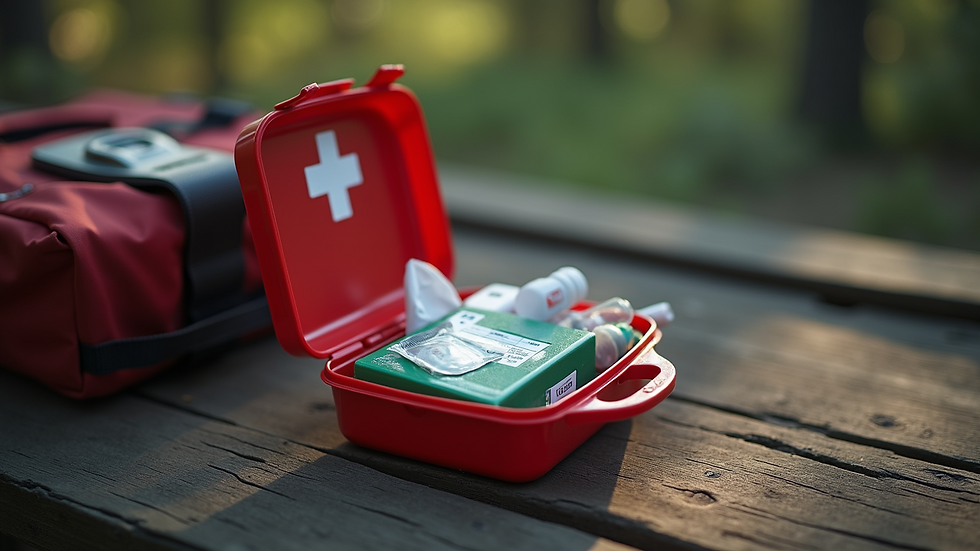
2. First Aid Kit
A well-stocked first aid kit is crucial. It should include bandages, antiseptic wipes, pain relievers, tweezers, and any personal medications. Knowing basic first aid skills will also help you use the kit effectively.
3. Emergency Shelter
Weather can change quickly outdoors. Carrying a lightweight emergency shelter, such as a bivy sack or a compact tent, can protect you from rain, wind, and cold temperatures.
4. Fire Starting Tools
Fire provides warmth, light, and a way to signal for help. Waterproof matches, a lighter, and fire starters like tinder or magnesium blocks are essential.
5. Water Purification
Clean drinking water is vital. Portable water filters, purification tablets, or UV purifiers ensure you can safely hydrate from natural sources.
6. Multi-tool or Knife
A sturdy multi-tool or knife can assist with food preparation, gear repair, and other survival tasks.
7. Lighting
Headlamps or flashlights with extra batteries help you navigate in the dark and signal rescuers if needed.
8. Communication Devices
In remote areas, a satellite phone or personal locator beacon (PLB) can be lifesaving when cell service is unavailable.

What are 5 Safety Gears?
To simplify your packing, here are five essential safety gears that cover the basics for most outdoor activities:
First Aid Kit - Treat injuries and prevent infections.
Navigation Tools - Compass and map or GPS device.
Emergency Shelter - Lightweight tent or bivy sack.
Fire Starting Kit - Waterproof matches, lighter, and tinder.
Water Purification System - Filters or tablets for safe drinking water.
These five items form the foundation of a safe outdoor experience. They address the most common risks: injury, getting lost, exposure, and dehydration.
Tips for Using Outdoor Safety Gear Effectively
Owning the right gear is only part of the equation. Knowing how to use it properly is equally important. Here are some practical tips:
Practice Before You Go: Familiarize yourself with your gear at home. Practice setting up your shelter, using your fire starter, and navigating with your compass.
Regular Maintenance: Check your equipment regularly for damage or wear. Replace batteries and expired items in your first aid kit.
Pack Smart: Organize your gear so that essential items are easily accessible.
Stay Informed: Learn about the environment you will be exploring. Understand local hazards and weather patterns.
Share Your Plan: Always inform someone about your itinerary and expected return time.
By combining the right gear with knowledge and preparation, you greatly increase your safety outdoors.
Preparing for Unexpected Situations
Even with the best gear and preparation, unexpected situations can arise. Here are some additional recommendations to help you stay safe:
Layer Your Clothing: Dress in layers to adapt to changing temperatures.
Carry Extra Food and Water: Always have more supplies than you think you need.
Know Emergency Signals: Learn how to signal for help using mirrors, whistles, or fire.
Stay Calm: In emergencies, staying calm helps you think clearly and make better decisions.
Remember, safety is about being ready for the unexpected. The right gear combined with a cautious mindset will help you enjoy your outdoor adventures with confidence.
Exploring nature is rewarding, but it requires respect for the environment and preparation for its challenges. Equipping yourself with the best safety gear outdoors ensures you can face those challenges head-on. Whether you are a seasoned adventurer or a casual hiker, investing in quality gear and learning how to use it will keep you safe and enhance your experience.
Stay safe, stay prepared, and enjoy the great outdoors!


Comments